Let's design the future together
Shoot us a message! We'd love to hear from you and collaborate on cool projects!

Humanoid Autonomy //
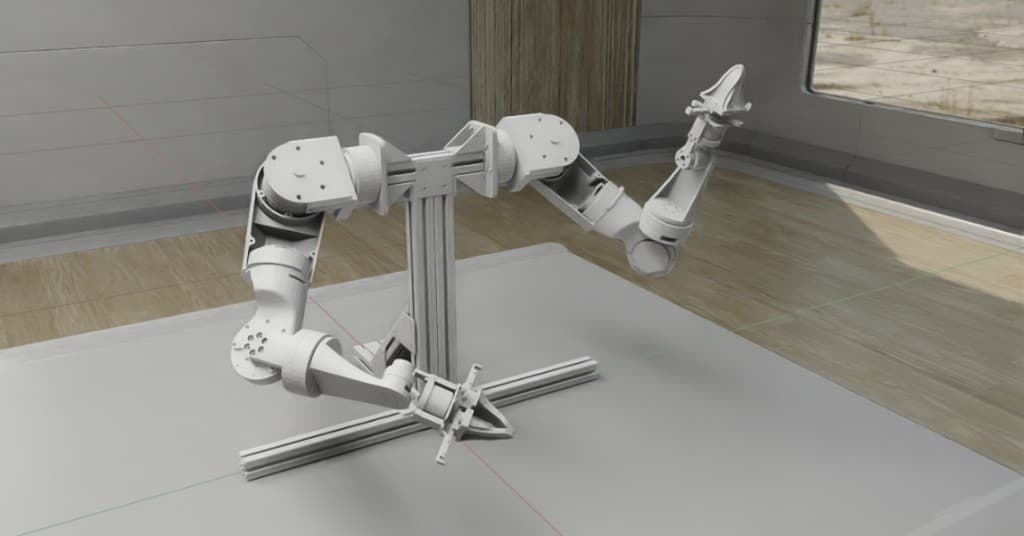
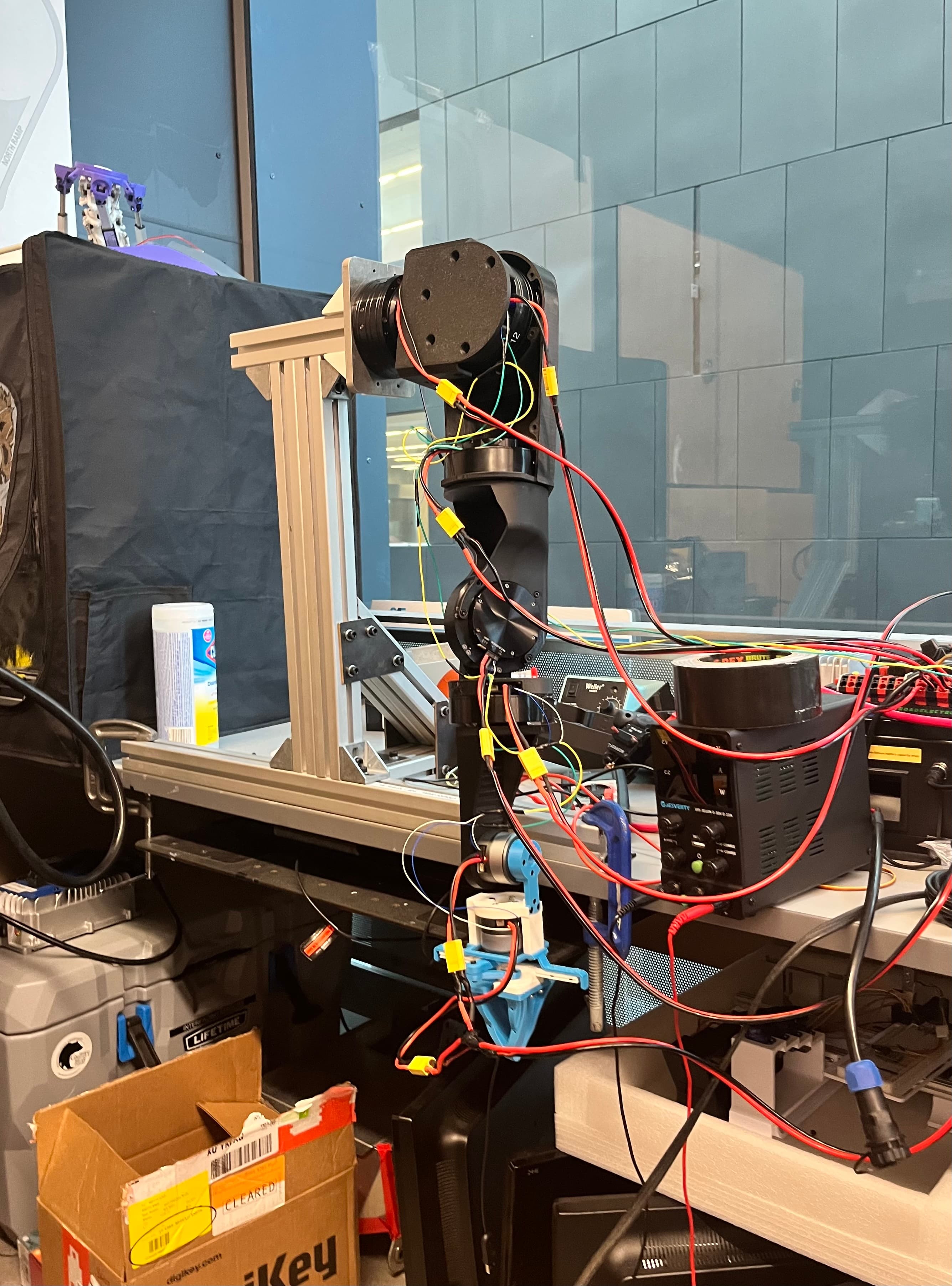
Building UWaterloo's first humanoid robot, Pioneer: a 14 DOF bimanual arm, 22 DOF hand, and 12 DOF leg, fully custom and built in-house from mechanical design to autonomy stack, bringing human-like mobility and dexterity to real-world environments.
Progress in Motion //
Build Highlights, Straight from the Lab
A look at the platform coming together: hardware bring-up, actuator testing, and the humanoid taking shape one iteration at a time.
Toward End-to-End Autonomy //
Isaac Lab Simulation, Real-World Demonstrations
Pioneer's autonomy stack combines two complementary approaches: reinforcement learning trains low-level skills like balance and manipulation entirely in NVIDIA Isaac Lab, while imitation learning trains directly on real-world demonstration data collected from the physical robot. Closing the sim-to-real gap between the two is central to our approach, letting us iterate on behavior fast in simulation while grounding it in how the robot actually moves.
22 DOF Hand //
Dexterous Manipulation Hardware
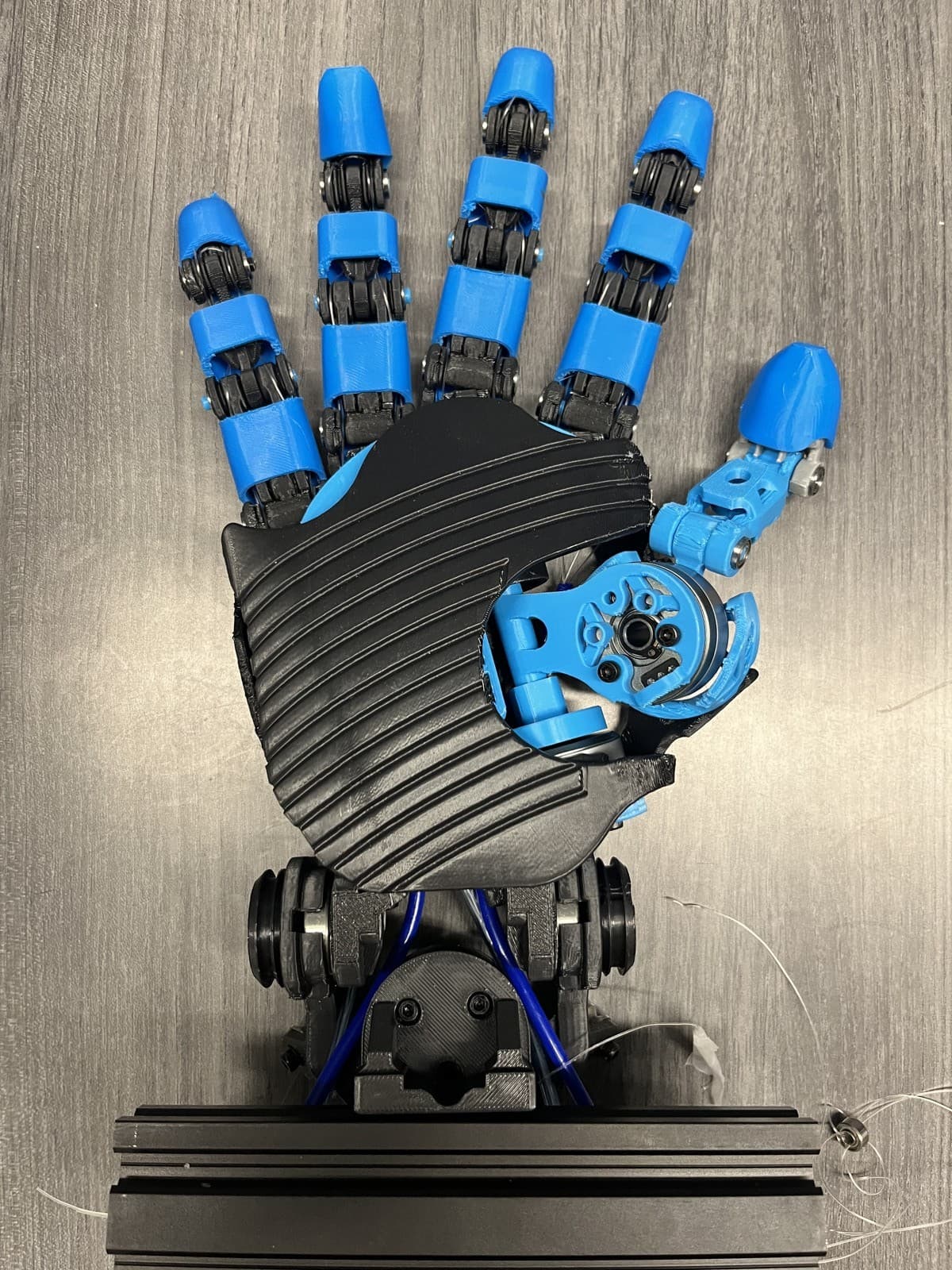
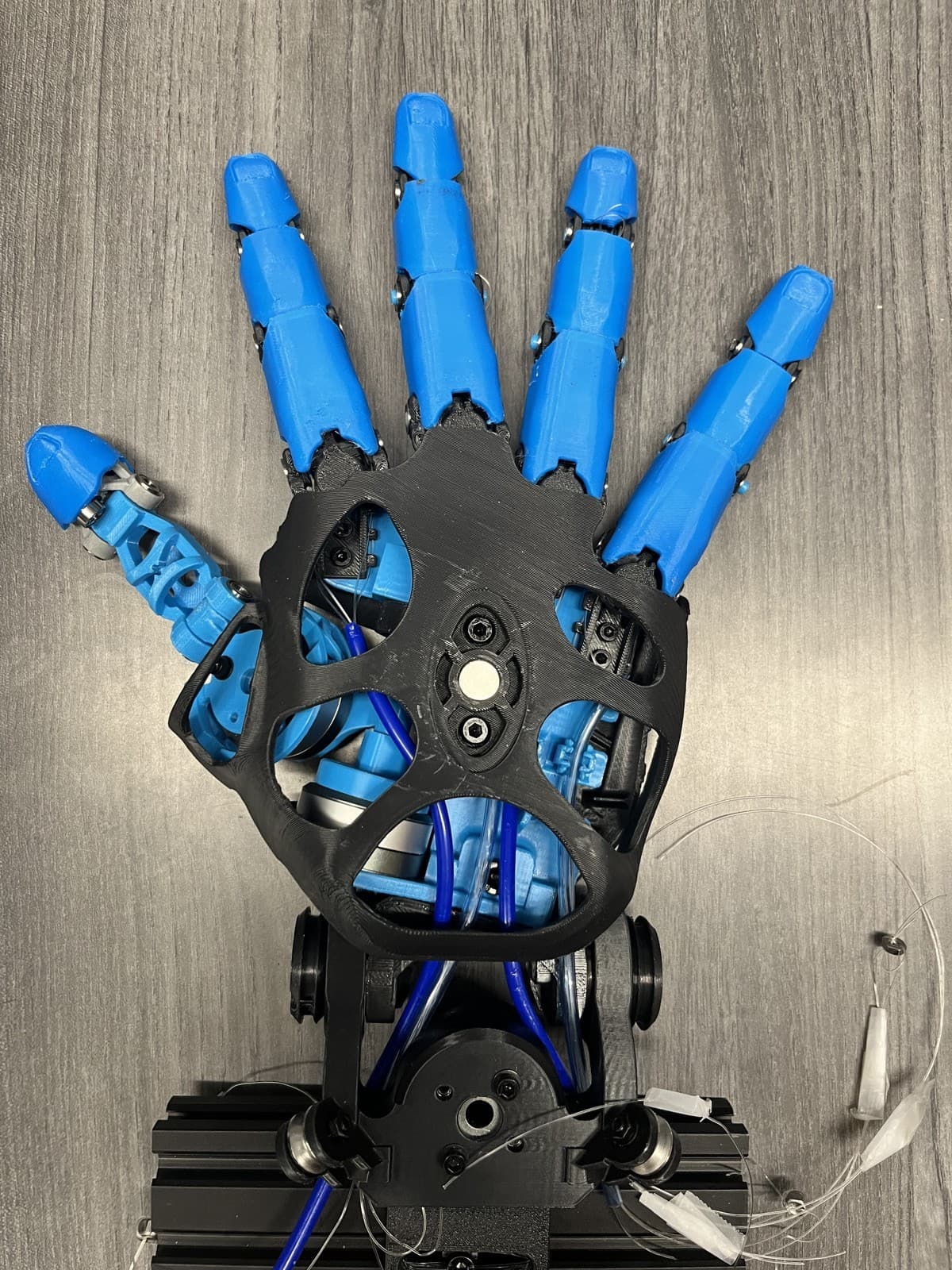
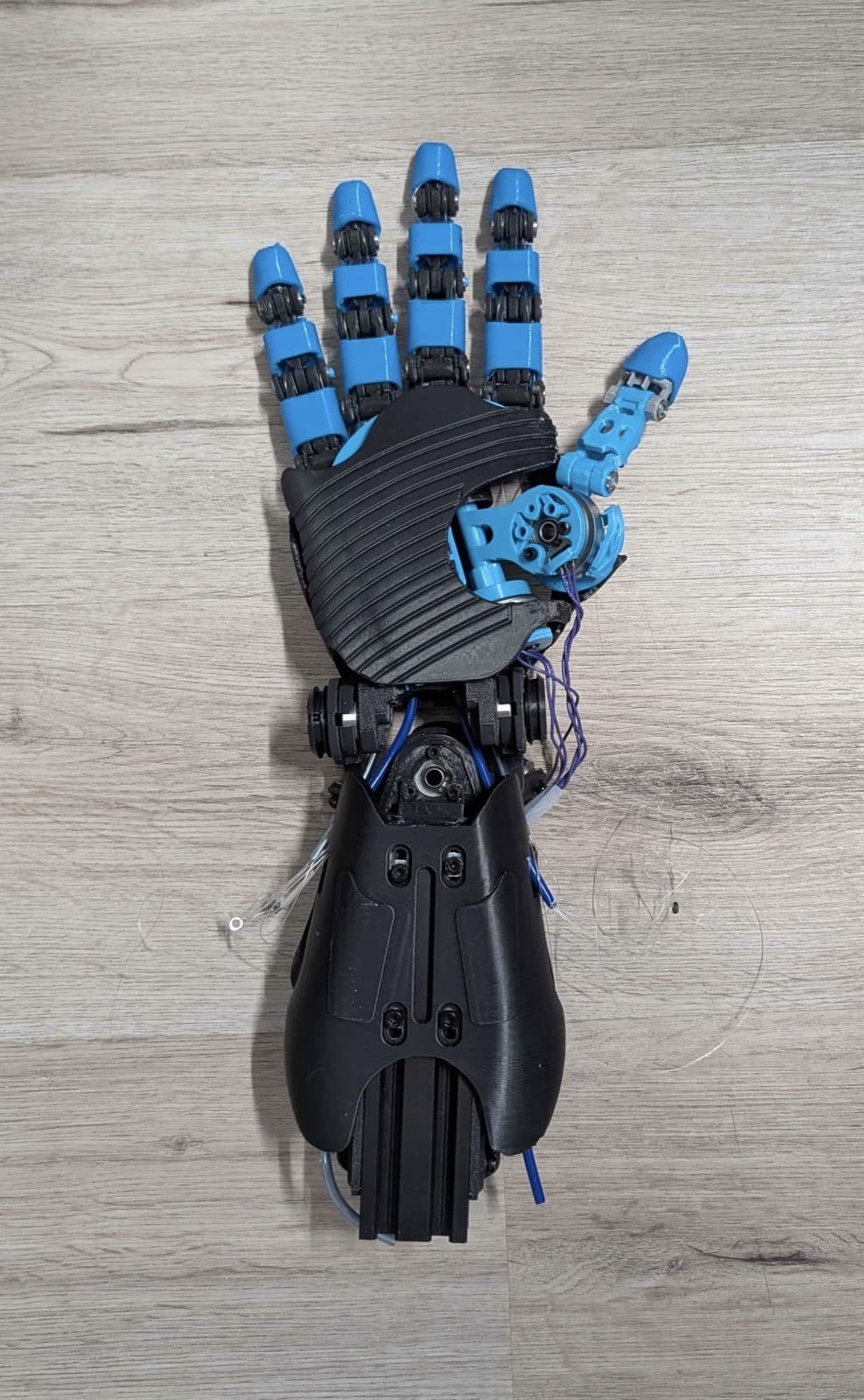
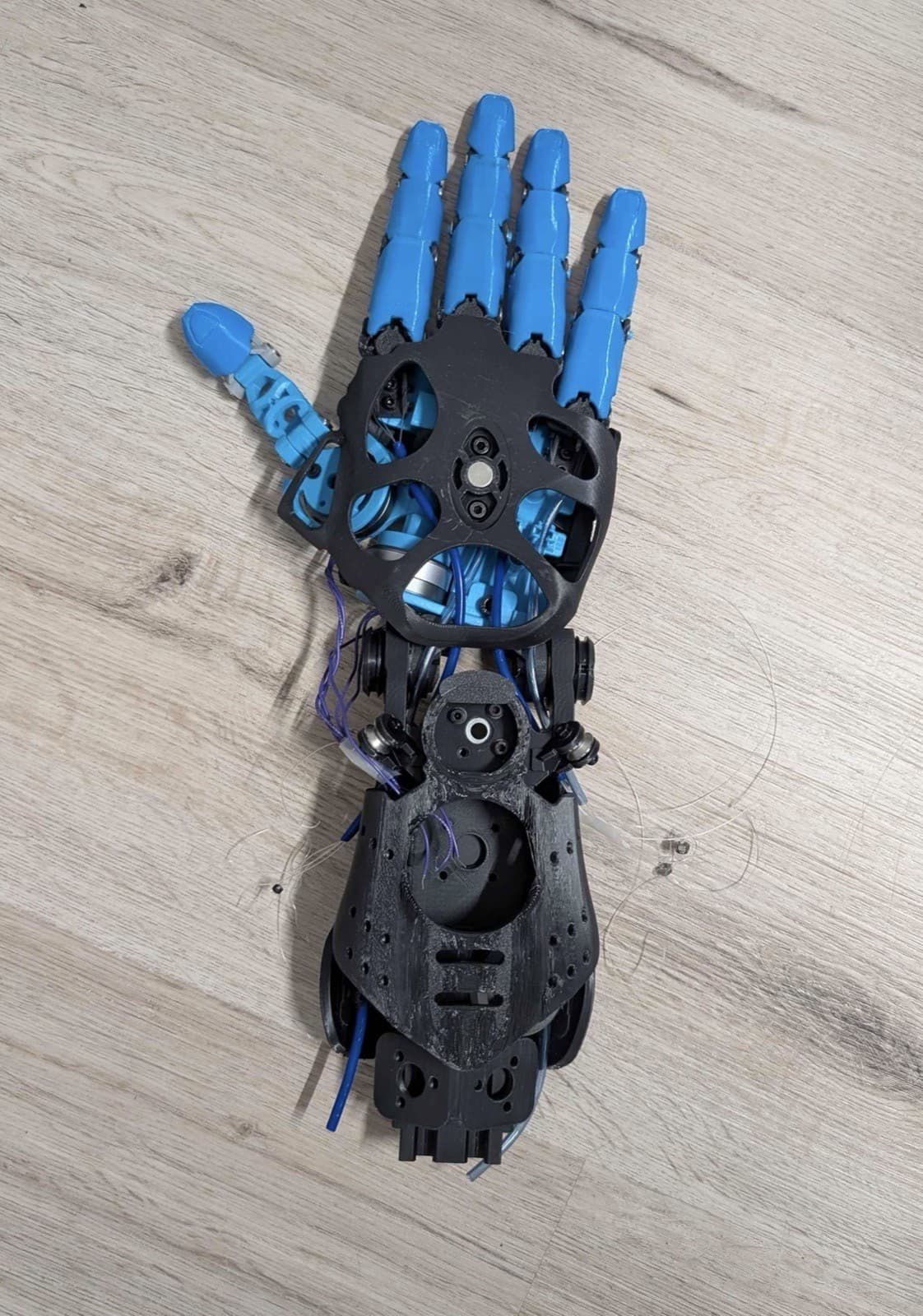
Our in-house hand packs 22 degrees of freedom, 16 actuated, into a human-sized form factor. It's the manipulation endpoint for both teleoperation and learned control: precise enough for fine motor tasks, durable enough for daily testing and iteration.
Bipedal Locomotion //
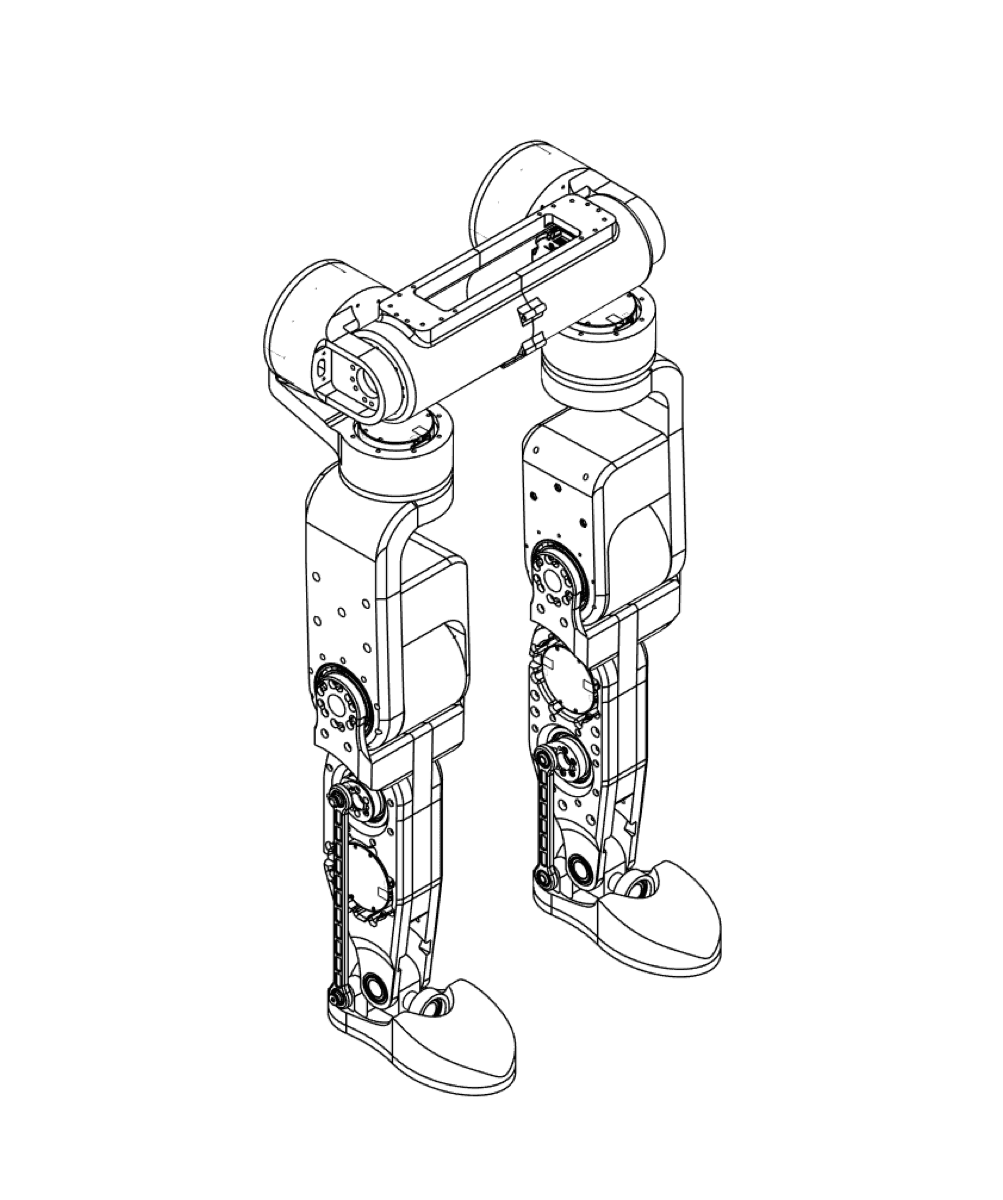
Custom Leg, Built from Scratch
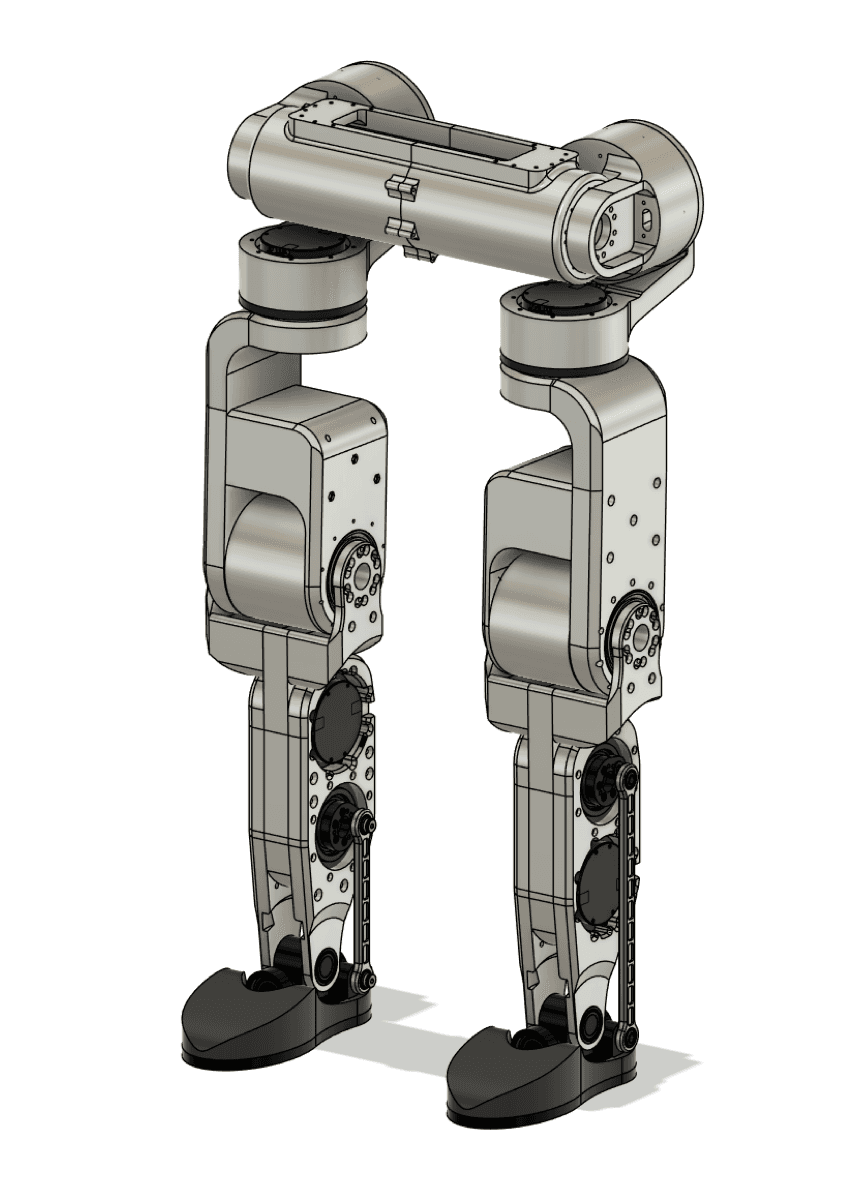
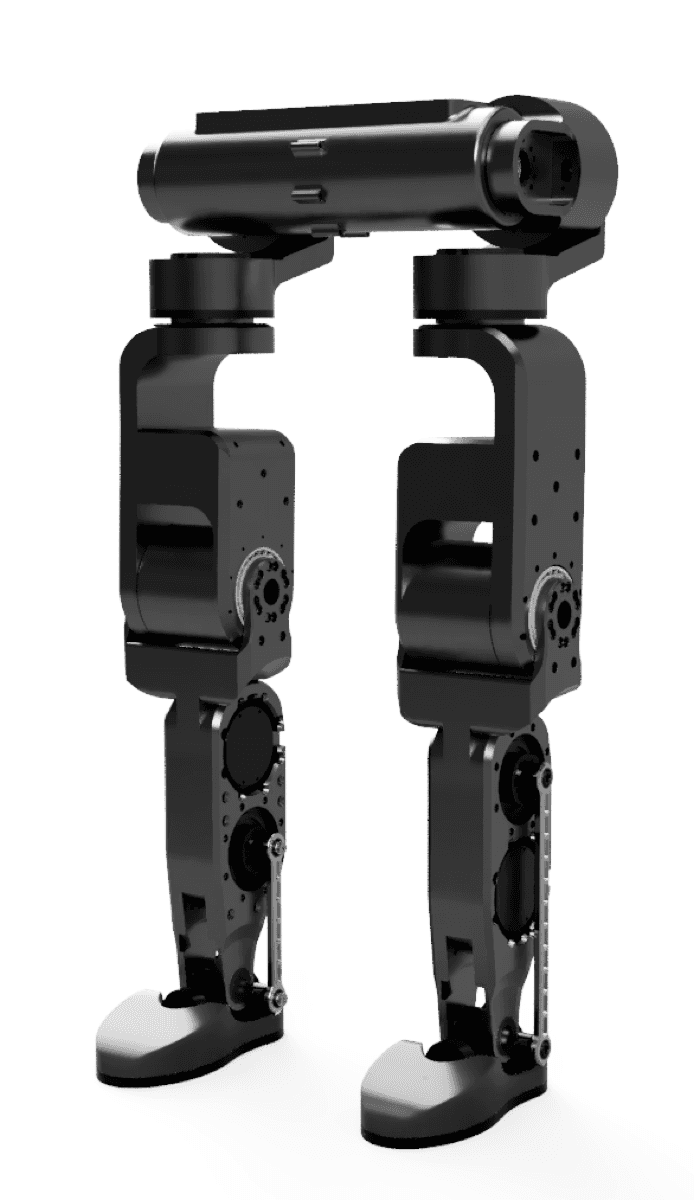
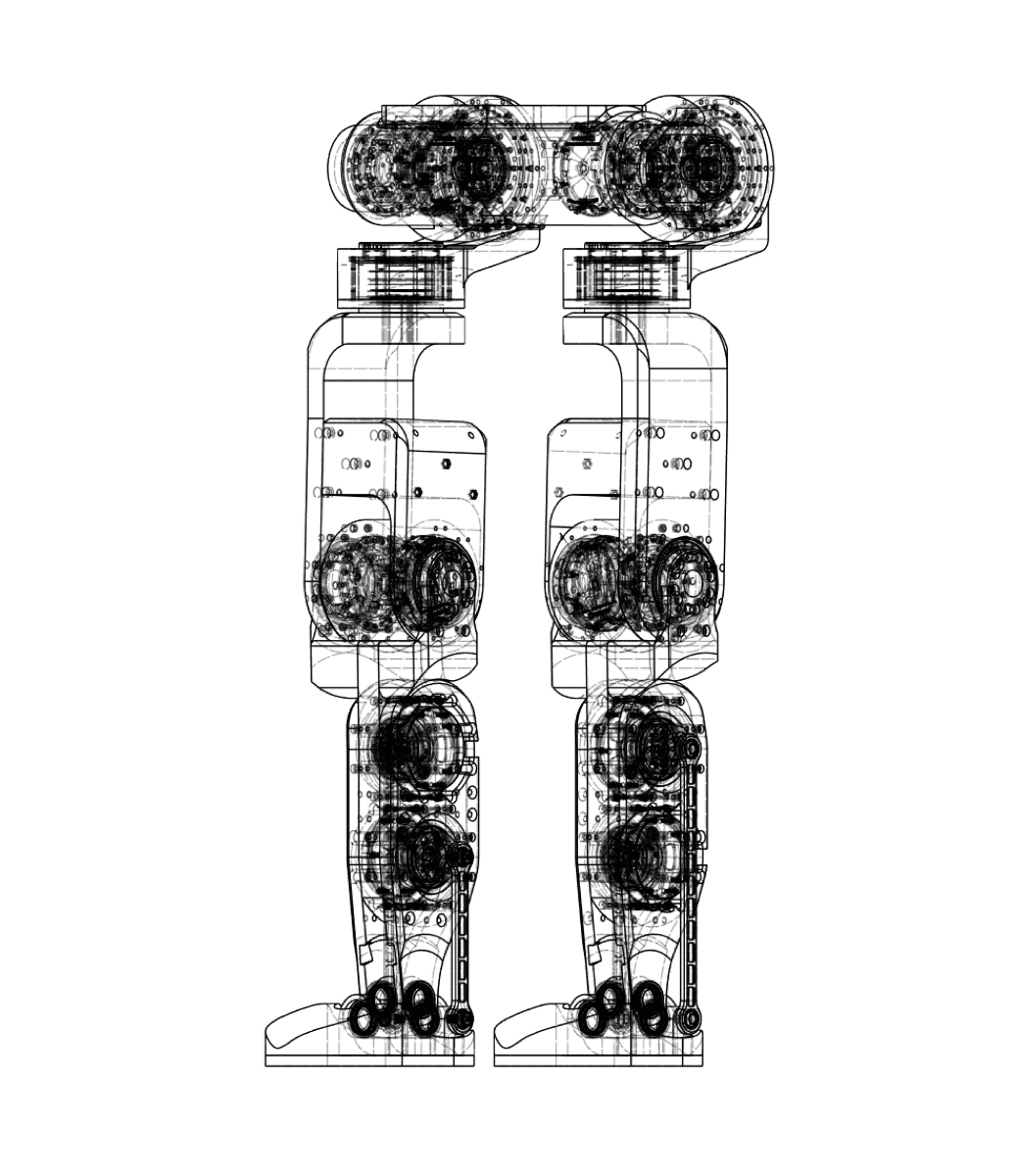
Every joint is designed and built in-house. Each 6 DOF leg uses a Flexion-Abduction-Rotation hip configuration for compact, biomimetic packaging, paired with custom motor selection per joint, modeled, analyzed, and refined in CAD before a single part is machined. This tight CAD-to-hardware loop lets us tailor hardware to software needs and validate range of motion and structural margins before committing to the physical build.
Learning to Manipulate //
From Demonstrations to Policies
We collect human demonstrations using a Quest headset over VR teleoperation: wrist and hand-tracking data streams over WebXR to a ROS 2 bridge, driving a per-arm differential IK controller in Isaac Sim (and on hardware, gated behind an e-stop). Those demonstrations feed imitation learning, and we're building toward end-to-end pixel-to-action control by pairing them with VLA fine-tuning and distillation into deployable policies.
In-Hand Manipulation, Learned with RL //
PPO Policy, Cube Reorientation Task
Our Isaac Lab policy learns to reorient a cube toward commanded goal poses using only the 16 actuated joints of the hand, no external fixturing or resets between attempts.
F26 Term Members //
Wilson
Cheng
Humanoid Director